There are labels that carry weight—Dior, Chanel, Westwood. Names stitched in silk thread, whispered across decades. But in vintage fashion, the real value often lies beyond the label. It’s in the story. The life lived. The places the fabric has been.
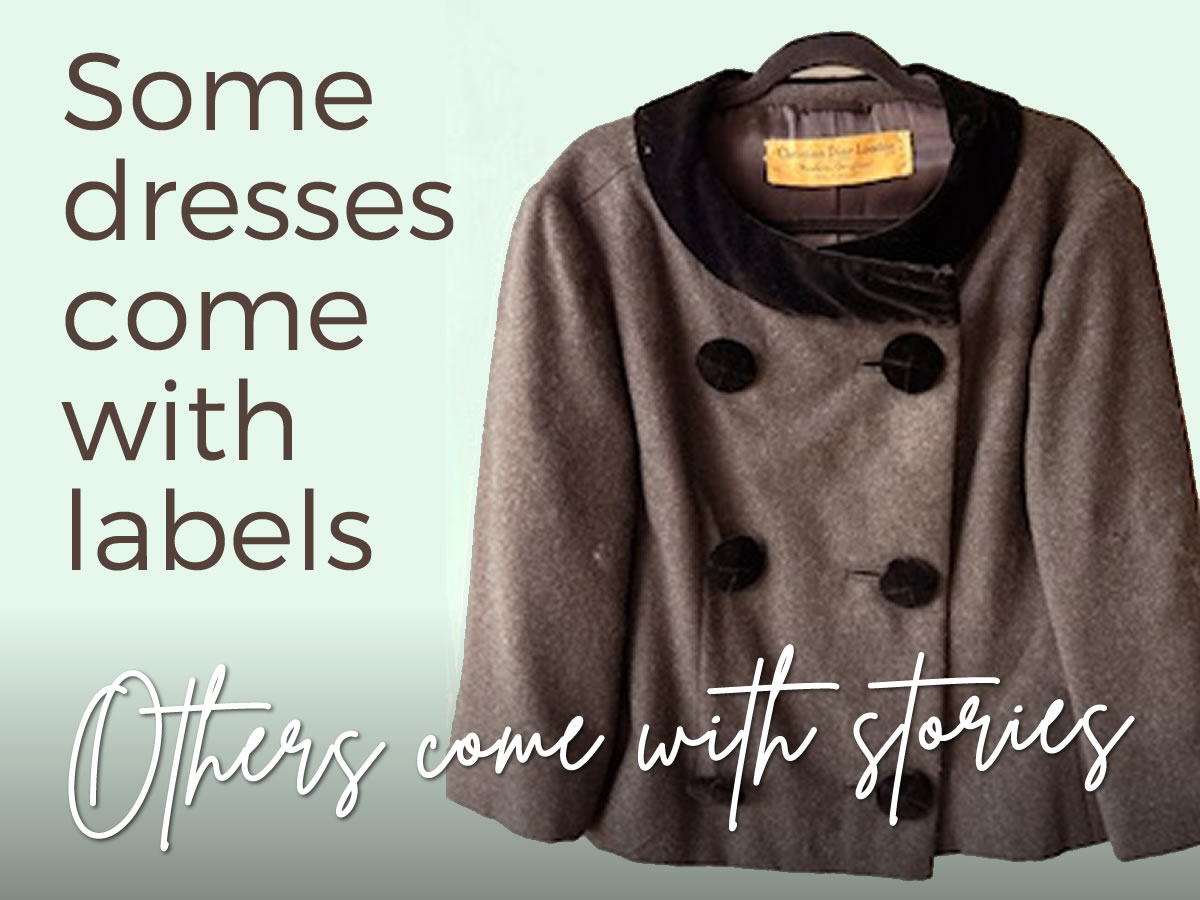
Recently, I acquired a 1960s Christian Dior London jacket—tucked away in an obscure UK auction. The condition wasn’t perfect: tiny holes, a loosened seam, a whisper of wear around the collar. It wouldn’t have met my standard to sell on. But it had presence. History. A quiet kind of nobility. I kept it.
With the help of my trusted tailor, we disguised the flaws, reinforced the stitching, and gave it a second life. And when I wore it into town, something remarkable happened: strangers stopped me—not for the label, but for the presence it carried.
That’s the magic of authentic vintage.
It’s not just fashion—it’s biography.
The Difference Is in the Detail
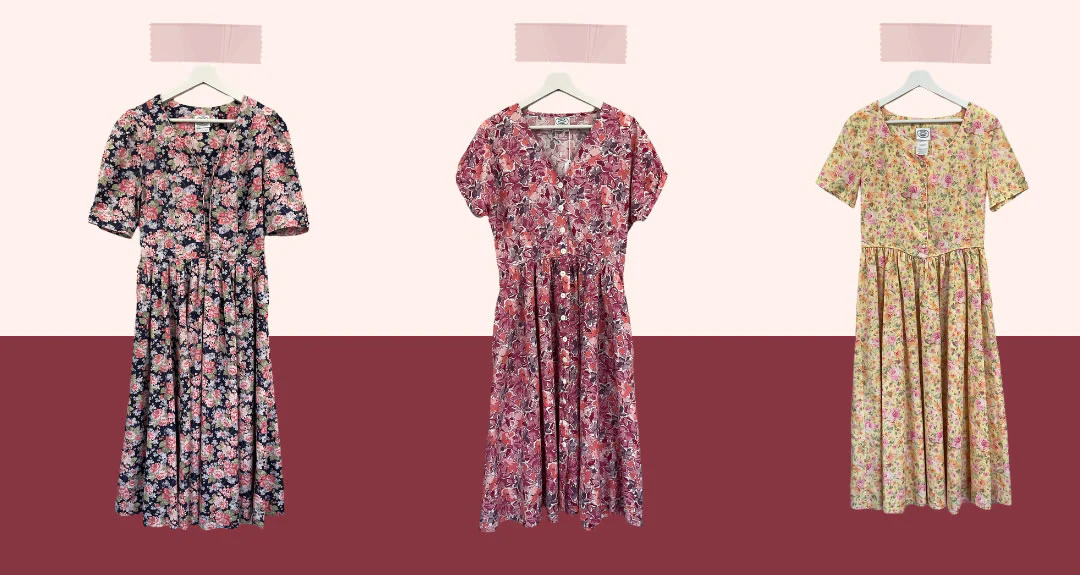
Fast fashion moves quickly. It borrows looks, mimics eras, and prints patterns with no regard for their origin. But a true authentic vintage piece—especially one that’s been repaired and re-loved—holds the fingerprint of its maker, the silhouette of its era, and the energy of everyone who wore it before you.
You’re not just wearing a dress. You’re stepping into a scene. A ballroom in 1958. A boardroom in 1986. A rainy street in 1972 where someone hailed a cab in a silk-lined coat.
Why We Collect
At Marilyn’s Vintage, I’ve built an archive not just of designer names, but of living, wearable stories. I don’t just source what’s rare—I curate what still resonates. Pieces that carry something with them. Sometimes that’s prestige. Sometimes mystery. And often, it’s the quiet dignity of a garment that was worn well and worn with love.
Collectors today are looking beyond trends. They’re seeking authentic vintage clothing with provenance, quality, and soul. It’s no longer about who wore it first—but who’s willing to honour it next.
A Different Kind of Luxury
In today’s culture of instant everything, authentic vintage offers a slower, more meaningful form of luxury. It’s not about flashing logos or buying new for the sake of it. It’s about choosing something that took time—both to make and to endure. Something with craftsmanship, character, and a story that modern fashion can’t replicate.
So the next time you pick up a dress, ask not just who designed it—but who it might have belonged to.