Many people mistakenly believe all vintage fashion is simply “second-hand.” But here’s the truth: not all second-hand clothing deserves the honour of being called vintage.
Think of it this way: all champagne is sparkling wine, but not all sparkling wine is champagne. And trust me — confusing the two makes you look very uncultured at a dinner party.
Let’s break it down.
What Does Second-Hand Clothing Mean?
At its most basic, second-hand clothing is anything pre-owned. The definition is simple: if it had a life before you, it’s second-hand.
Everyday Examples of Second-Hand Clothing
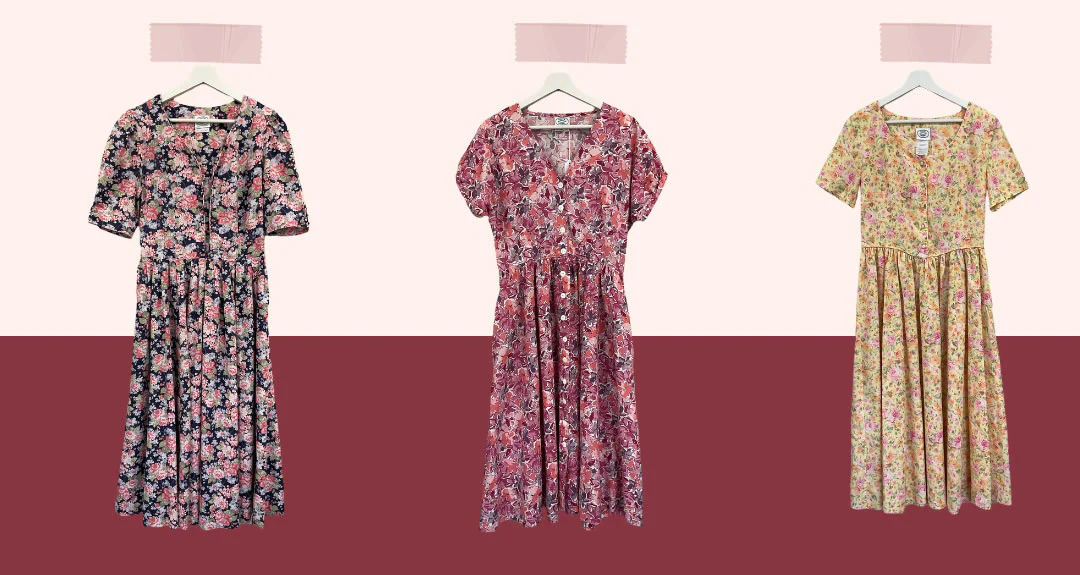
That Zara blazer you bought last year and flipped on Depop. Your cousin’s hoodie from 2019. The shoes you swore you’d “break in” but never did.
In short: second-hand has no age requirement, no cultural significance — just the fact that it’s pre-owned.
What Counts as True Vintage?
Vintage is a far more exclusive club. To earn the label, a garment needs more than just a few birthdays under its belt.
The 20-Year Rule in Vintage Fashion
Most agree that vintage = 20 years or older. But age alone isn’t enough.
Why Era and Style Matter as Much as Age
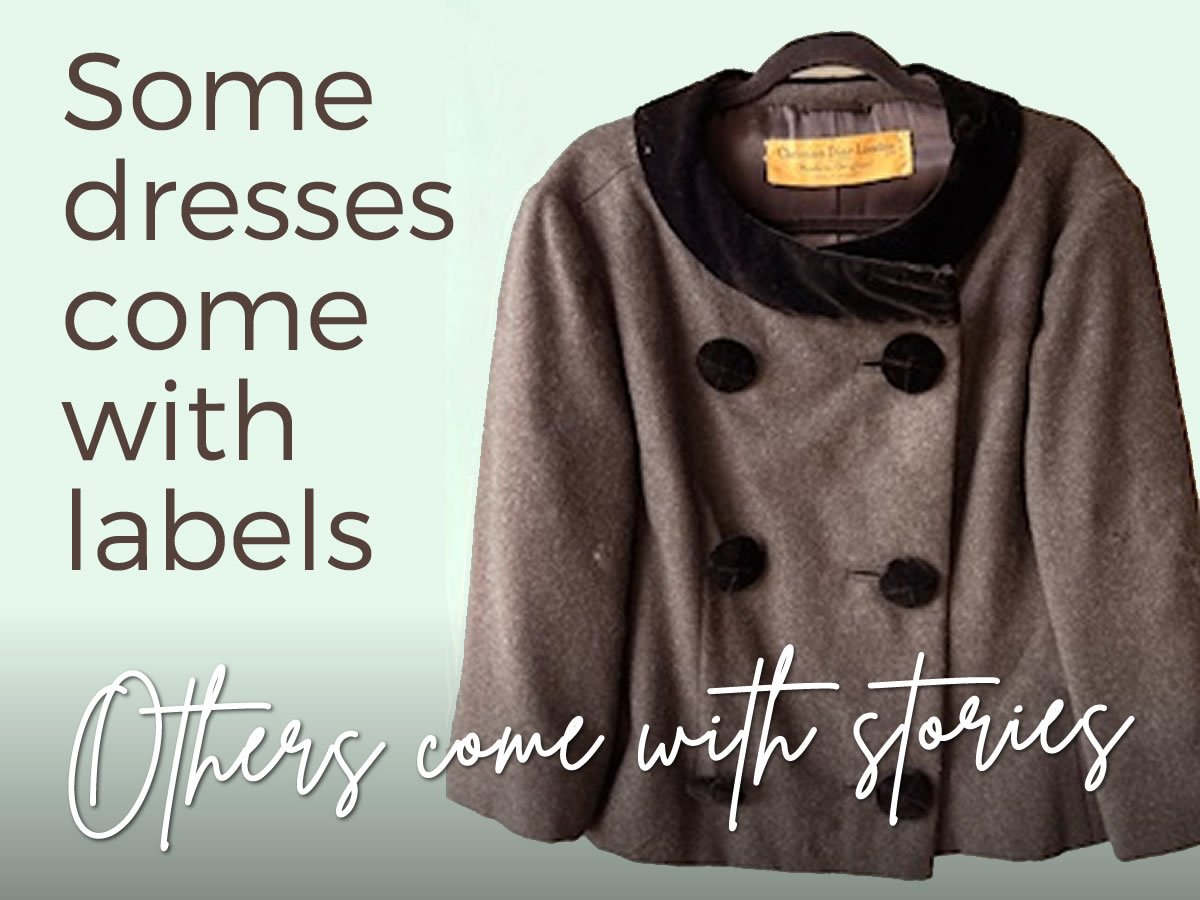
A true vintage piece reflects the style of its era. A 1970s Dior blouse screams bohemian glamour. A 1980s Burberrys trench carries the sharp tailoring of the decade.
Vintage is old and meaningful.
Is Old Fast Fashion Considered Vintage?
Ah, the tricky one. Technically, that 2003 polyester halter top from a fast fashion chain is vintage by age. But let’s be honest — it’s the fashion equivalent of finding a Nokia 3310 in your drawer: nostalgic, but not exactly museum-worthy.
When Nostalgia Counts, and When It Doesn’t
If the piece ties into a cultural moment — like an early high-street/designer collab or Y2K clubwear that defined a scene — it can gain traction.
Otherwise? It’s just… old fast fashion. Fun to laugh about, but not what collectors mean when they say “vintage.”
Vintage vs. Second-Hand: Why the Difference Matters
Blurring the two terms might not seem like a big deal, but it dilutes the meaning of true vintage. Here’s why collectors care:
Cultural Value and Historical Context
A second-hand jumper from last year doesn’t carry history. A Hardy Amies blazer from the 1960s, worn in an era that reshaped men’s tailoring? That’s cultural weight.
Craftsmanship and Durability
Vintage often means better fabrics, better cuts, better finishing. Many pieces were literally built to outlast decades.
Investment and Collectibility
Second-hand is usually a quick resale. Vintage — especially couture or designer — can appreciate in value. Think Chanel jackets, Dior gowns, or Burberrys trenches.
The Royal Couture Difference
This is where things get really interesting.
At Marilyn’s Vintage, the Design Legends collection shows why “vintage” is so much more than “second-hand.” These pieces were commissioned by queens, princesses, and women of high society — often without budget limits. They were crafted by the greatest designers of their time to embody presence, prestige, and exclusivity.
Wearing one doesn’t just change how you look. It shifts what people expect from your presence.
Try getting that effect from a 2003 fast fashion mini skirt that barely survived its first wash.
Final Thought: Champagne or Lager?
So here’s the takeaway.
Second-hand = any pre-owned clothing, from last year’s trainers to this morning’s resale find.
Vintage = garments 20+ years old that reflect their era, crafted to endure.
Couture vintage = the pinnacle — garments that defined royalty and society, now pieces of living history.
Not all old clothes are created equal. Just like not every sparkling wine is champagne, not every old shirt deserves the vintage label. And once you know the difference, you’ll never confuse the two again.